
FAQ on the site for ChatGPT and other neural networks
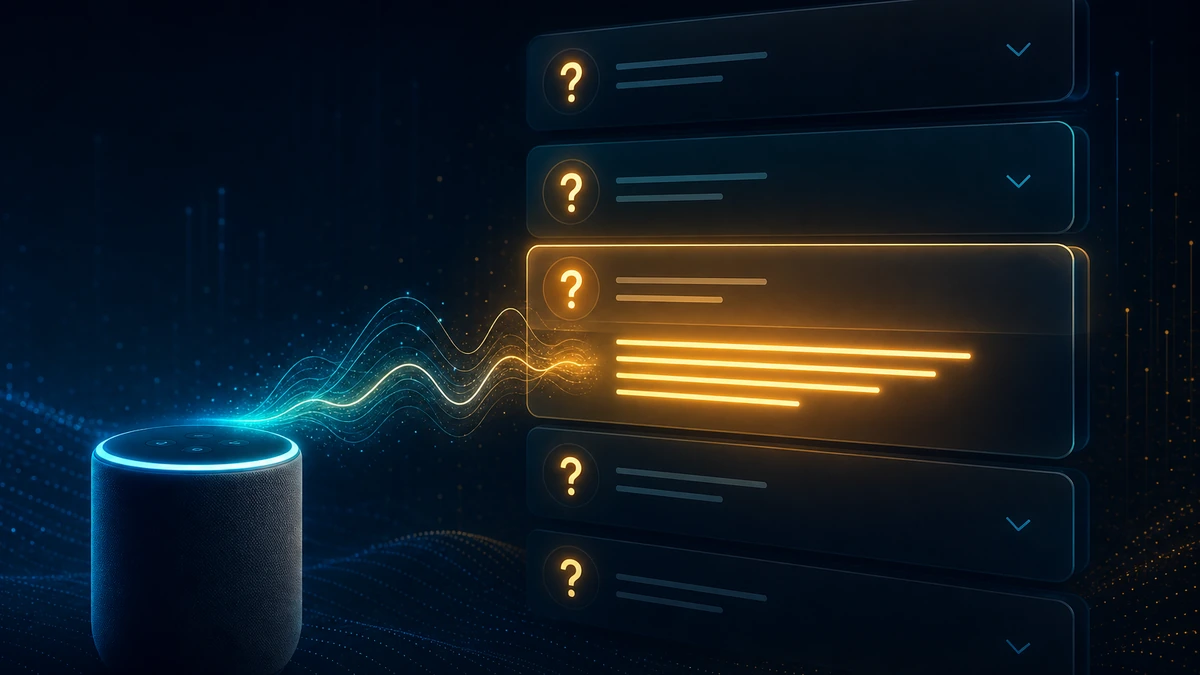
ChatGPT responds from fragments that it understands about your market. The best fragment for commerce is a normal FAQ: a question about the client, an answer with price, deadline, geography. Not “we are market leaders,” but “how much does it cost to replace an iPhone 14 screen in Austin, from $45, two hours.”
Below is where to get the questions, how to format them on the site, what kills the chance of getting included in the recommendation, and how to check the results out loud and in an audit.
Where to get questions from
Calls, WhatsApp, Craigslist, reviews with questions, search the site. Fifty real phrases are more important than a hundred made-up phrases “for SEO.” Write it down as they say, not like a copywriter.
- What is the price …
- How quickly...
- Where are you...
- Is there a guarantee …
- Do you work on weekends...
One block on the main page will not save you if there are a lot of services. You need a FAQ on the service page plus a general one on contacts or “about the company.” ChatGPT for the request “implantation” looks at the implantation page, without the slogan on the main page.
How FAQ is different from SEO block
SEO block: “we are leaders”, “individual approach”, keys in headings. FAQ for AI: “how much does it cost”, “how fast”, “where are you” - with numbers in the first sentence.
The client rarely reads the FAQ. ChatGPT and Gemini always read when they collect a response. Empty marketing is an empty recommendation.
Ten questions with prices beat one hundred questions without numbers. Volume does not win - specificity, which matches the cards, wins.
How to design it so that both people and bots can read it
The answer is in HTML, not in PDF and not in the price list picture. Accordion is ok, if the text is in the DOM, it is not loaded empty. For each point - 2-4 sentences with numbers. Link to recording or price list. The phone at the end is the same one in the basement and in Yelp.
Add a FAQPage schema with the same questions and answers verbatim. The discrepancy between the schema and the visible text is a minus of trust. More details: Schema.org.
The first sentence of the answer is a direct answer with a number or address. “We strive for quality” will not be included in the voice response. “Dental implants from $450, free consultation” - will be included if it matches the cards.
What not to write
General words without prices. “Individual approach” without deadlines. Questions that no one asks. Ten pages of copy-paste by city with one text. ChatGPT and Gemini are looking for specifics, not volume.
Examples by niche: dentistry - price of an implant, does it hurt, installment plan, voluntary health insurance. Car service - repair period, spare parts, warranty. Delivery - minimum order, zone, time. Take it from the CRM, not from the key generator.
Five signs that the FAQ is not working
- The questions were created by the copywriter, not calls for support.
- Answers without numbers: “individual approach”, “high quality”.
- FAQ is only on the main page, service pages are empty for AI.
- The text in the accordion is not in the DOM - the bot sees emptiness.
- The FAQPage's Schema does not match HTML verbatim.
One point failed - ChatGPT has nothing to collect an answer about you from. A competitor with a table of questions takes the recommendation.
How does a FAQ get into a voice response?
ChatGPT does not read the site like a human. She collects a short fragment: question + answer with a number. A long marketing paragraph does not fit into the voice - the model takes the first sentence with a fact or goes to a competitor.
The query “how much does an oil change cost nearby” - a service page with a FAQ or price list is searched. Home with “we take care of your car” is not a candidate. Narrow query - narrow page.
Gemini in the app works on the same principle: one coherent answer. The FAQ on the implantation page beats the FAQ on the main page for inquiries about implantation. This is not SEO cannibalization - this is precision for AI.
ChatGPT is more likely to quote what GPTBot read in the HTML. A PDF with a price list will not be included in the FAQ. HTML table with three rows - will be included if robots is open.
After publishing the FAQ, check: Ctrl+U - text in the DOM; schema FAQPage verbatim; three requests out loud. If you don’t answer yourself, compare the first paragraph of your competitor’s audit. Often the difference is just one number.
Typical: the clinic wrote a FAQ “individual approach to each patient.” ChatGPT on “how much does an implant cost” calls a neighbor with “from $450, consultation is free.” It's not the style that's the fact in the first sentence.
Update the FAQ when prices change. Last year's figure in HTML with the current one in maps is a conflict. The model selects a matched competitor.
15–25 questions from CRM are enough to get started. One hundred questions without numbers is worse than fifteen with prices. Volume doesn't win in AIO.
What they do themselves and where they break them
FAQ "for SEO"
Ten paragraphs of marketing under question headings. AI does not quote. The client doesn't read. Time wasted.
PDF instead of text
Price in file, FAQ in picture. The bot sees the link, but does not see the numbers. ChatGPT names the one with the prices in HTML.
One FAQ for the entire site
Global block with other people's questions from the template. For a narrow request - emptiness. Need questions on the service page.
Schema without HTML
FAQPage in JSON-LD, different text on the page. Trust drops across the entire domain.
Connection with ChatGPT and Gemini
After publication, check three voice queries by niche: “who do you recommend”, “how much does it cost”, “who is closer”. If you don’t hear yourself, compare the FAQ with a competitor from the audit. Often they cover the same questions with numbers, while you cover them with marketing.
About voice scripts: ChatGPT recommendations. Weak Gemini and weak ChatGPT often go together - one layer of facts on the site and maps.
Work order
- Audit: is there a FAQ, is it visible to bots.
- 15–25 questions from CRM and calls.
- Layout + FAQPage schema verbatim.
- Reconciliation with maps and price list.
- Re-audit and test in ChatGPT.
Where to start today
Don't write FAQs out of a copywriter's head. Do not copy someone else's block from another site. First, a cross-section in the audit - you can see whether what is already there is readable.
Without an FAQ, you're leaving the AI with an empty box. A competitor with a table of questions takes away the recommendation, even if your design is more beautiful. Pricing: LeadsyLabs.
Each weekly cycle without a normal FAQ - ChatGPT answers with other people's names. This is measurable: three requests out loud, three times in a row for other people’s brands - you are not in the recommendations.
Voice script: “how much does [service] cost nearby.” ChatGPT does not read PDF. Takes a short answer from the FAQ or card. No answer - there is no brand in the recommendation.
After the edits, don't expect an instant miracle. First, the bots must read the new text, then the model will update the picture. A week is the normal minimum before retesting.
Don't write FAQs out of your head. Don't copy someone else's block. First, a slice - you can see whether what is already there is readable.
“We have a FAQ” and “ChatGPT quotes us” are two different things. The marketing block will not be included in the voice response.
Mini-checklist: 15+ questions from CRM, numbers in each answer, schema verbatim, test out loud three times, re-audit in a week.
A free audit will show whether bots can see your FAQ. Without this, every new paragraph is a lottery.
Who writes the FAQ: not a copywriter out of nowhere. Sales manager, support, owner - those who hear questions. The developer designs and installs schema.
Reviews in the FAQ do not replace reviews on maps. But the question “who has good reviews” is closed with a link to Yelp and an honest number, not testimonials with fake faces.
If after the audit the FAQ is green, there are still three requests in ChatGPT. The number in the report and the voice in the column complement each other.
Implementation questions: FAQ. Full audit from technical specifications to FAQ and schema: tariffs.
Typical: the copywriter wrote the FAQ over the weekend, the prices were not checked against the maps. ChatGPT, when asked “how much does it cost,” names a competitor—their numbers match. They fix it not with style, but with calls to support and schema verbatim.
Voice script while driving: “where is [service] nearby.” ChatGPT does not read PDF. Takes a short answer from the FAQ or card. No answer - no brand. Three seconds - a competitor has a client.
Accordion on Tilda and designers: check Ctrl+U, not just the preview. The text must be in HTML and not load empty when clicked.
Multi-page site: general FAQ on contacts plus a block on each service. One global accordion will not cover “implantation in [city]” - we need an implantation page with questions about implantation.
Prices in the FAQ and on the service page must match the maps. Discrepancy by $5 - the model selects the one whose numbers converge everywhere.
Don’t write a FAQ “for tomorrow’s design.” First 15 questions from calls, then layout. Otherwise, a beautiful block with empty meaning.
After the audit, the FAQ is green - still three requests in ChatGPT. Report and voice complement each other, do not replace.
Who is responsible for the FAQ in the company: the owner approves the prices, support provides the wording, the developer provides the schema. A copywriter without a CRM is a typical failure.
Link with AIO And GEO Score: FAQ is one of the fastest levers after robots and NAP.
